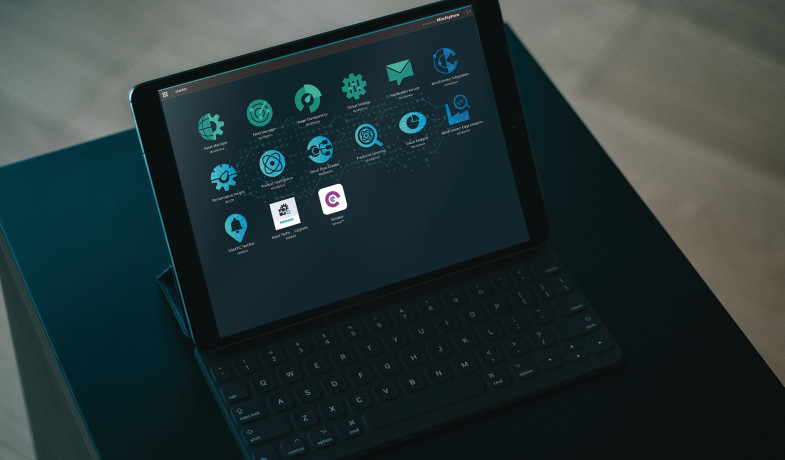
Efficiency through sustainable concepts
Efficiency does not begin with individual machines or apps, but with clear, well-thought-out systems. We focus on solutions that simplify processes, make workflows transparent and are scalable in the long term – from digital production platforms and service apps to IIoT applications.
Efficiency through targeted UX strategy
Efficiency in industry is not achieved through individual tools, but through clear, well-designed digital systems that support users in their workflows. As UX designers for industry, we develop:
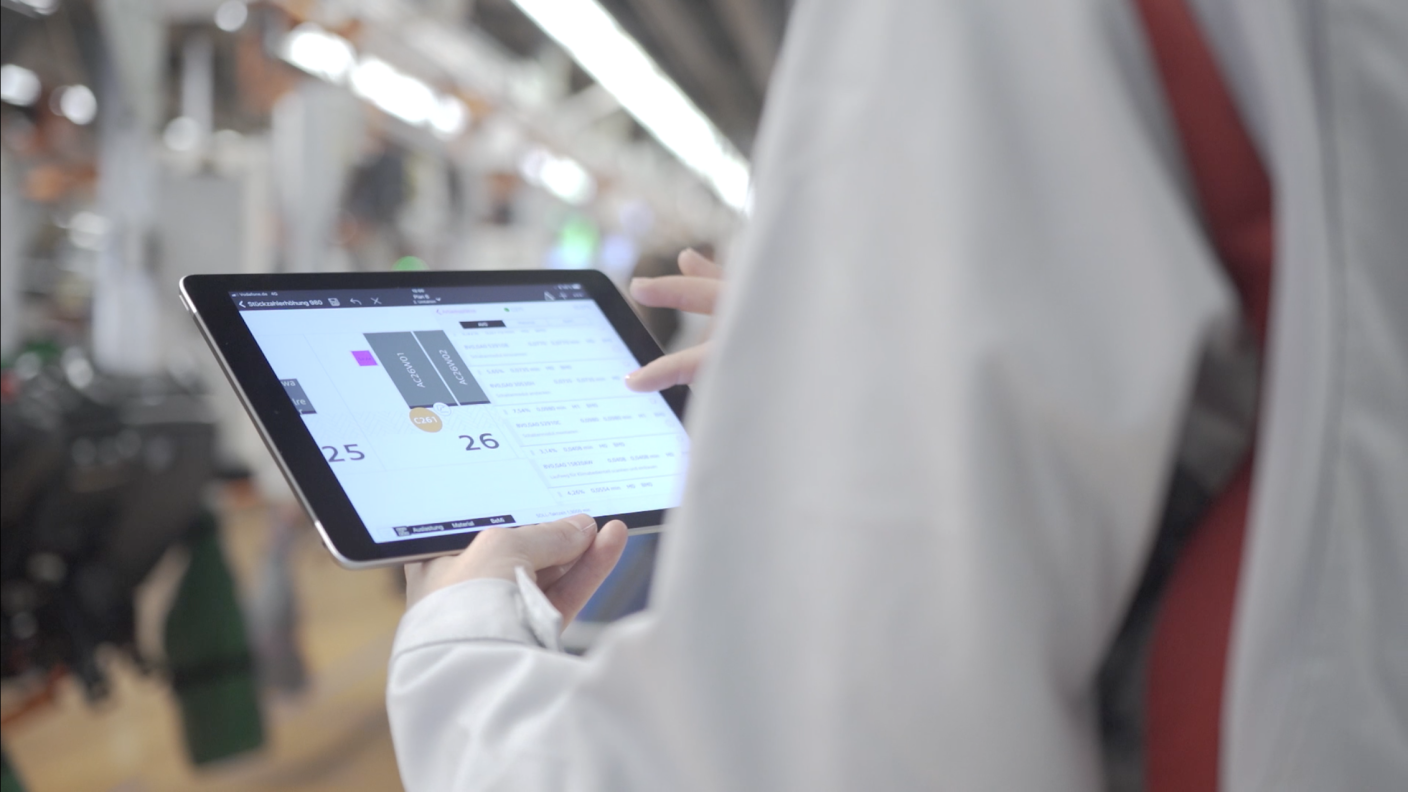
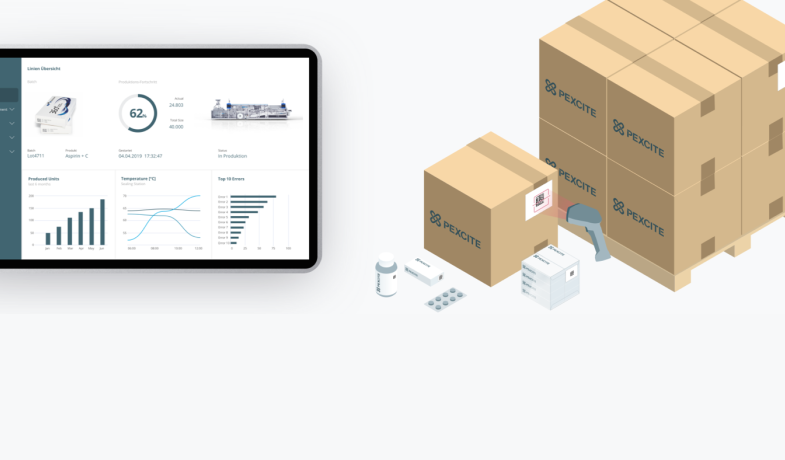
- Intuitive HMI interfaces and apps that visualise complex production processes in an understandable way
- Well-designed workflows that speed up processes, reduce errors and facilitate decision-making
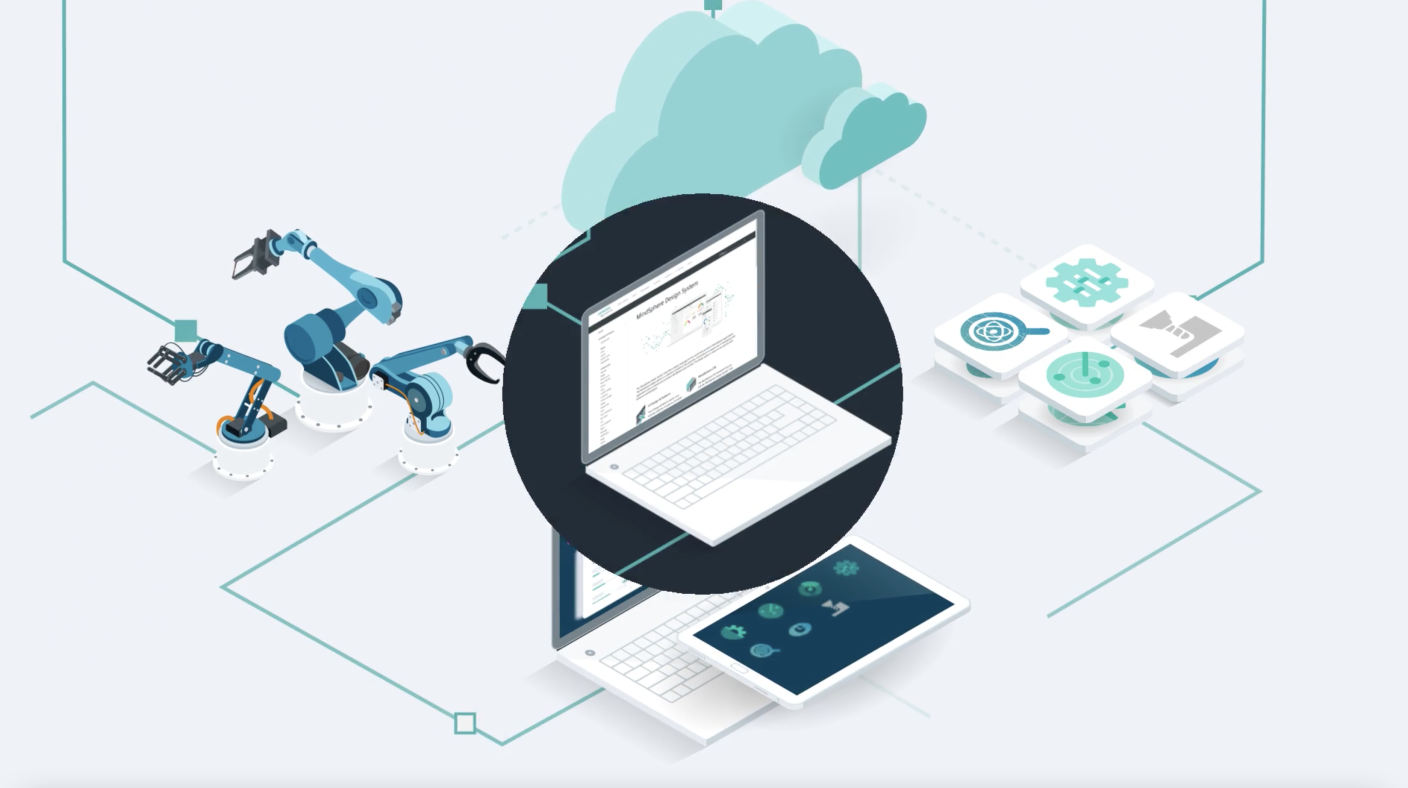
- Scalable platforms, from digital production systems to service apps and IIoT solutions
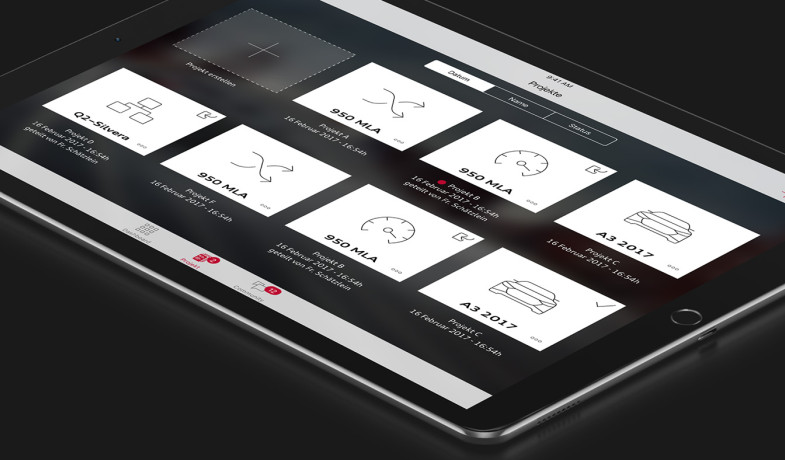
- Consistent design systems that ensure uniform operating patterns and make adjustments efficient
With this approach, we create measurable added value: processes become more transparent, systems easier to use, training costs are reduced – and digital transformation becomes noticeably more efficient in practice.
Future-proof design systems as a foundation
Many organisations still operate without consistent design principles. This leads to redundancies, inconsistencies and increased maintenance costs.
With structured design systems, we create:
Human-centred AI – optimally linking humans and machines
In industry, technology alone does not determine success – people do. Production managers, machine operators and engineers make decisions, control processes and ensure quality. Our human-centred approaches ensure that digital systems actively support the working environment rather than overwhelming it.
We design AI-supported applications to:
- Simplify workflows by visualising complex data in an understandable way and prioritising relevant information
- Make decisions faster and more confidently through clear recommendations for action, intelligent warning systems and adaptive dashboards
- Support processes adaptively and efficiently by enabling systems to learn to adapt to different situations and assist users in a context-sensitive manner
This creates a true symbiosis between humans and machines: technology becomes a reliable tool that increases productivity, quality and user satisfaction – even in highly complex production or medical technology environments.
Our approach: practical, user-centred, structured
With over 30 years of experience in mechanical engineering, automotive and production, we combine:
- Analysis of existing workflows, machine controls and apps
- Development of ergonomic, intuitive interfaces
- Implementation of digital platforms for Industry 4.0, IIoT and CPS
- Testing, optimisation and training for maximum efficiency
Conclusion: Efficient digitalisation only works with clear structures, consistent systems and human-centred design. This results in solutions that are sustainable and truly usable in the long term.